
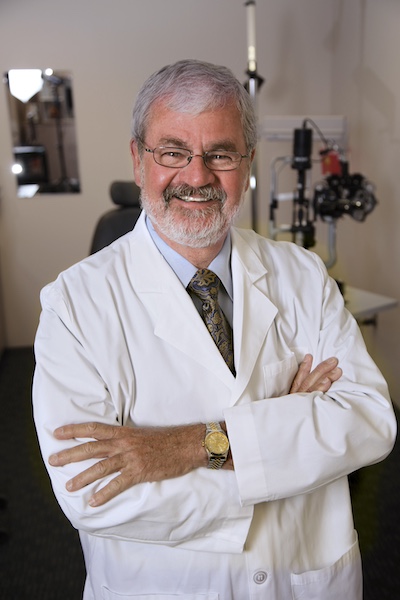
After more than a dozen years at the helm of Duke Ophthalmology, Edward G. Buckley, MD, will step down as chair later in 2026. While this era of leadership closes, his commitment to Duke remains steadfast. He will continue caring for a small group of long-standing patients, consult on complex strabismus cases, and serve as Vice President for Duke-National University of Singapore (Duke-NUS) Medical School Affairs.
Duke Through and Through
Buckley’s journey is deeply rooted in Duke. A dedicated alumnus, he earned his undergraduate degree in electrical engineering in 1972 and was inspired to pursue medicine while working in the lab of Duke immunologist Charles “Ed” Buckley III, MD (no relation).
He graduated from Duke University School of Medicine in 1977, where he discovered his passion for ophthalmology. “I was drawn to ophthalmology because it combined patient care, surgery, and the technology I love as an engineer, plus I could treat patients from birth to old age,” Buckley shared.
After completing an ophthalmology residency at Duke, Buckley trained in pediatric ophthalmology and neuro-ophthalmology at Bascom Palmer Eye Institute, University of Miami. In 1983, he returned to Duke as faculty, where he has since held several named professorships, including his current role as the James Pitzer Gills, III, MD, and Joy Gills Distinguished Professor of Ophthalmology. He served as chief of pediatric and neuro-ophthalmology divisions and has trained nearly 100 clinical and research fellows, shaping the next generation of leaders in ophthalmology.
Chairmanship: Growth and Innovation
When Buckey became interim chair in 2014 and permanent chair in 2015, he ushered in a period of remarkable growth and innovation. Under his leadership, the residency program expanded from 18 to 24 positions, and new fellowships were introduced in ocular oncology, inherited retinal diseases, and global ophthalmology. Today, more than 25 clinical fellows train in the department each year. Faculty size grew by one-third to nearly 100, and the department maintained its position among the top 10 ophthalmology programs in the nation, as ranked by U.S. News & World Report.
Buckley championed the creation of distinguished centers, including the Foster Center for Ocular Immunology and the Center for Inherited Retinal Diseases. He also oversaw the establishment of divisions in ocular oncology and ocular immunology, as well as the global ophthalmology and inherited retinal diseases programs. In accordance with his passion for education, several education programs were launched including fellowships in ocular oncology, global ophthalmology, and low vision occupational therapy, and the Duke Orthoptist Program.
He led the opening of the Hudson Building, a four-story clinical pavilion with state-of-the art exam lanes and equipment, a dedicated pediatric imaging suite, and education and administrative space, as well as three additional clinics across the Triangle to meet the growing population in the region.
“It has been the privilege of a lifetime to lead this department. My greatest joy has been creating an environment where talented people can thrive and knowing that together we have advanced care, education, and research in ways that truly make a difference,” reflecting on his time as chair, Buckley shared.
A Lasting Impact on Ophthalmology
Buckley has made significant clinical discoveries, particularly in complex strabismus and congenital cataracts, that have saved vision and transformed care for countless patients. His influence extends beyond Duke through leadership roles in national and international organizations, including serving as President of the American Association of Pediatric Ophthalmology and Strabismus (AAPOS), Chair of the American Board of Ophthalmology, and Editor-in-Chief of the Journal of AAPOS. He has received Lifetime Achievement Awards from both the American Academy of Ophthalmology (AAO) and AAPOS, published eight books, 40 book chapters, and over 150 peer-reviewed articles, and delivered hundreds of lectures worldwide.
“Dr. Buckley is a giant in the fields of both ophthalmology and academic medicine. He has made landmark contributions to our understanding and management of many diseases in pediatric ophthalmology, neuro-ophthalmology, and complex strabismus. He has pioneered innovations in medical education at Duke and globally. Dr. Buckley’s impact on our department and in the field of ophthalmology will be felt for many years to come. This true Renaissance man leaves an indelible mark on countless trainees, colleagues, and patients and their families. I am proud to have been his first faculty partner in our division, and to have worked and learned alongside him for more than three decades,” says longtime colleague Sharon Freedman, MD, professor of ophthalmology and chief of pediatric ophthalmology and strabismus.
Leadership Across Duke School of Medicine
In addition to his role as chair, Buckley served as Vice Dean for Medical Education for 17 years, leading a major curriculum overhaul that integrated basic science and clinical training with innovative teaching methods. His vision shaped the Trent Semans Center for Health Education, Duke AHEAD (Academy for Health Professions Education and Faculty Development), and new degree programs, including a Master’s in Biomedical Sciences, a Master’s in Biostatistics, and a Doctorate in Occupational Therapy. He also played a pivotal role in establishing Duke-NUS Medical School in Singapore, strengthening Duke’s global presence in medical education.
Looking Ahead
As Buckley transitions from chair, his influence will continue through his work with Duke-NUS and his dedication to advancing ophthalmology and medical education worldwide. His career stands as a model of excellence, innovation, and leadership — an inspiration to peers, faculty, trainees, and the countless lives he has touched.
-
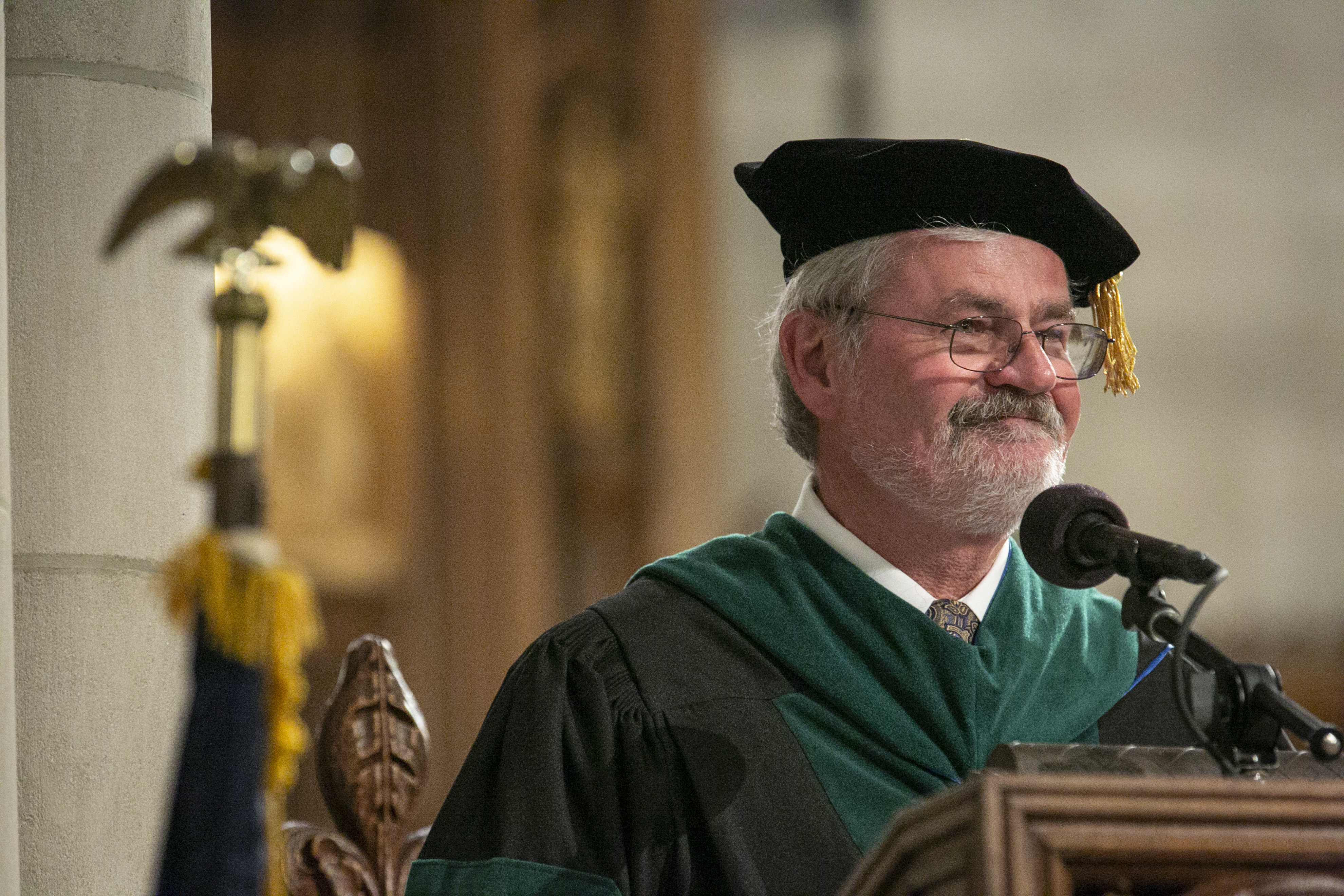 Buckley during a Hippocratic oath ceremony.
 -
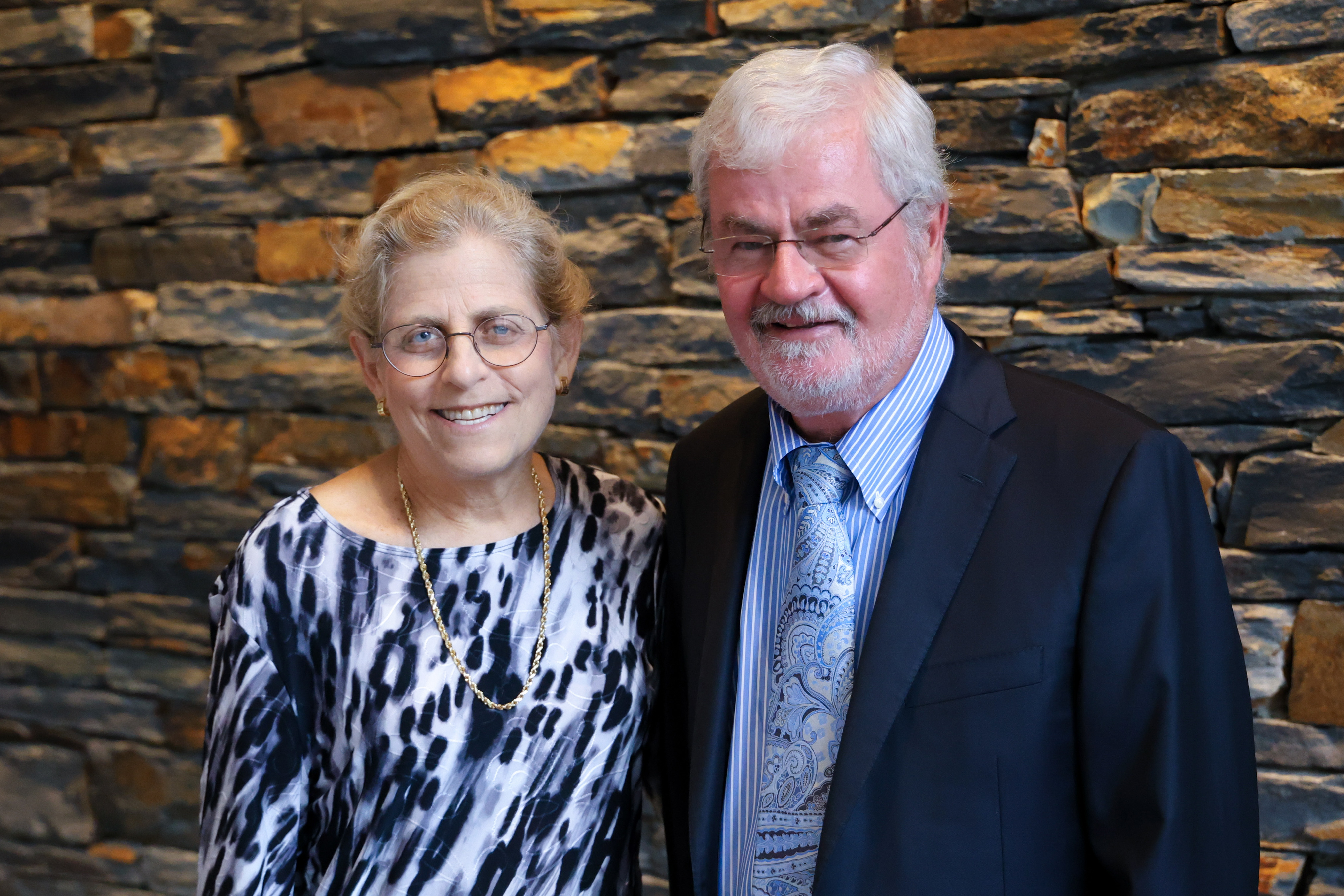 At the inaugural Edward Buckley Lecture in Pediatric Ophthalmology, where Freedman was the featured speaker.
 -
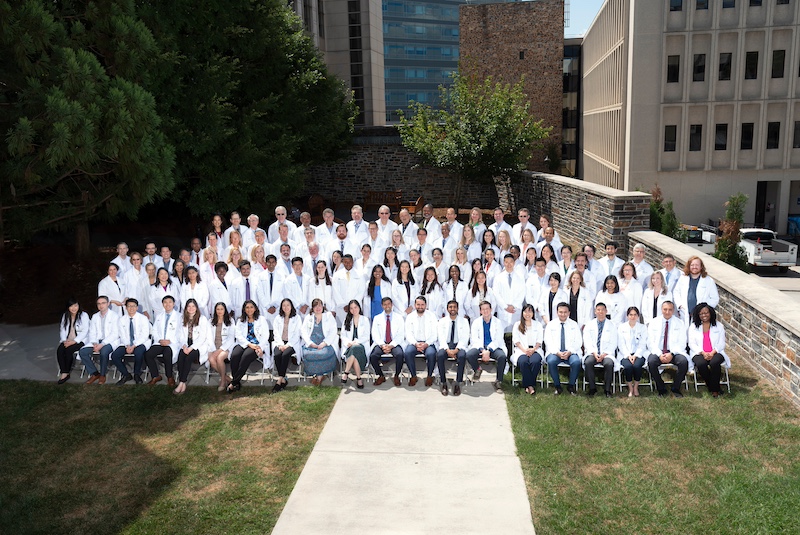 Duke Eye Center Faculty and Trainees, 2024.
 -
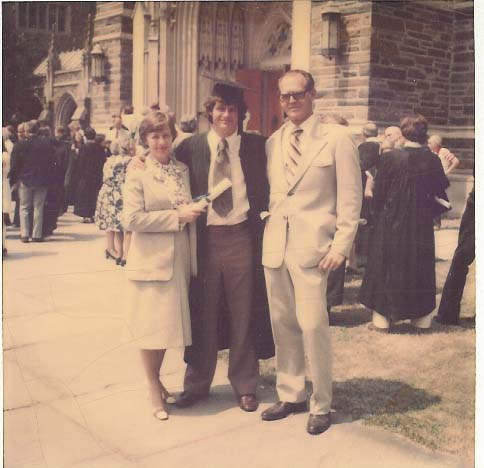 Buckley with his parents at his Duke University graduation.
 -
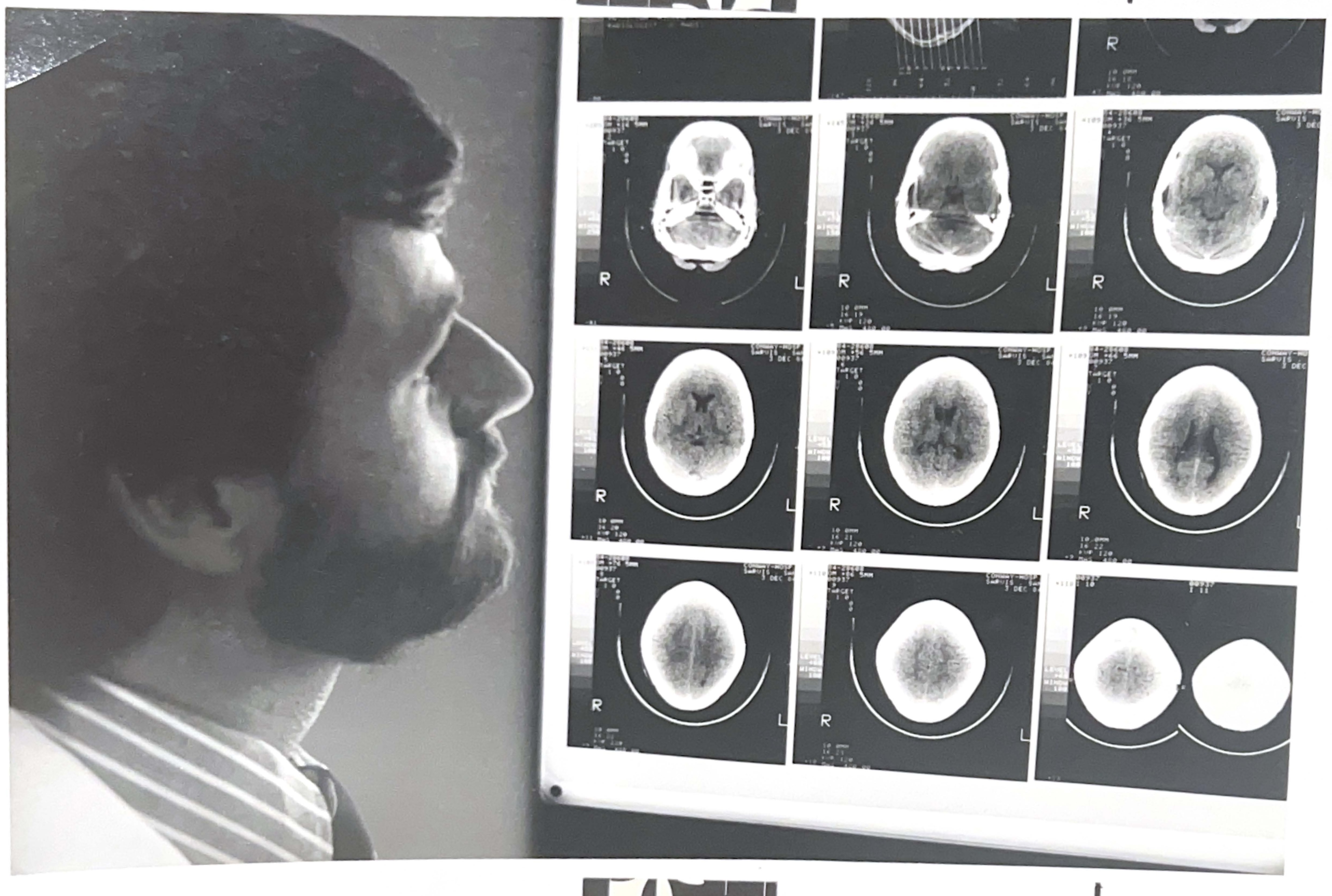 Early days of research.
 -
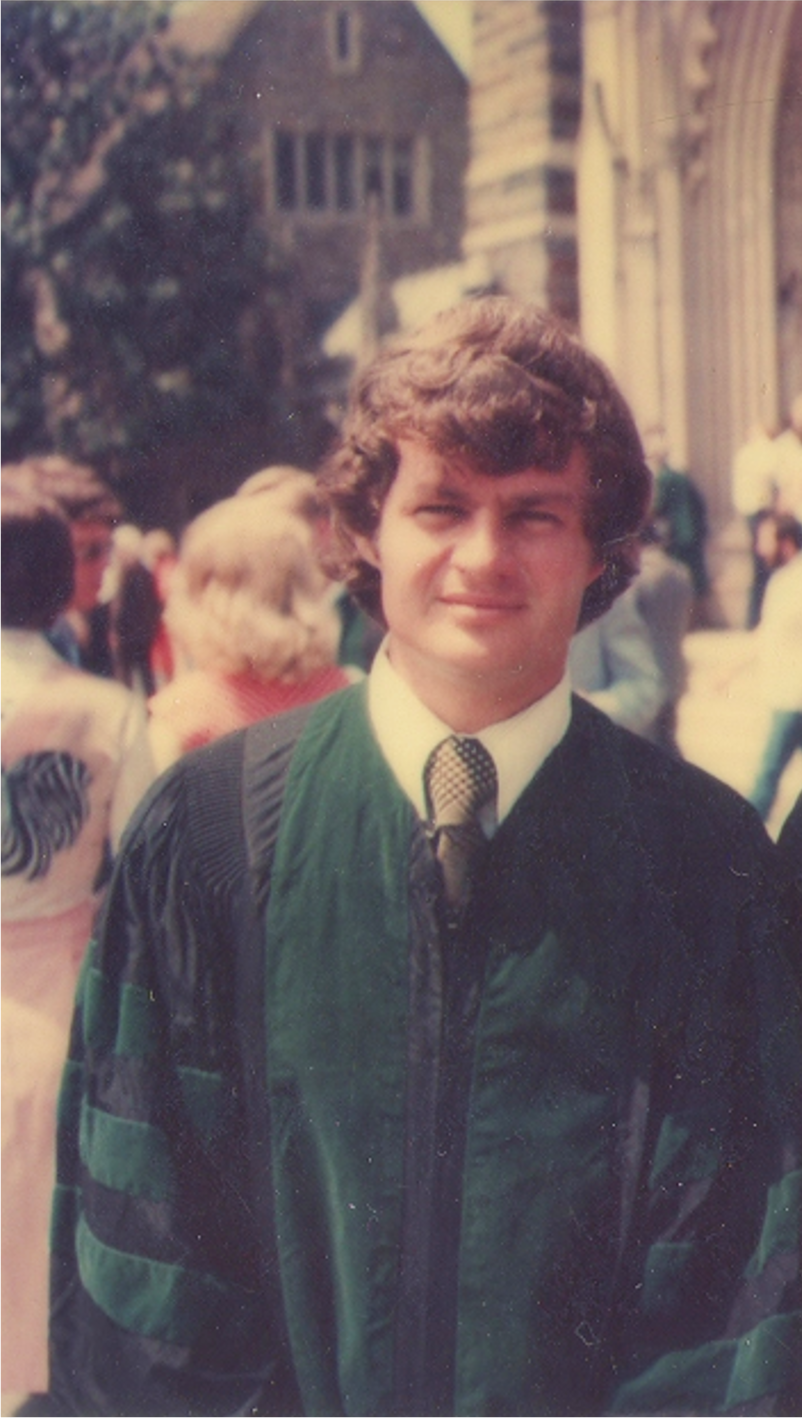 Buckley at his Duke University graduation.
 -
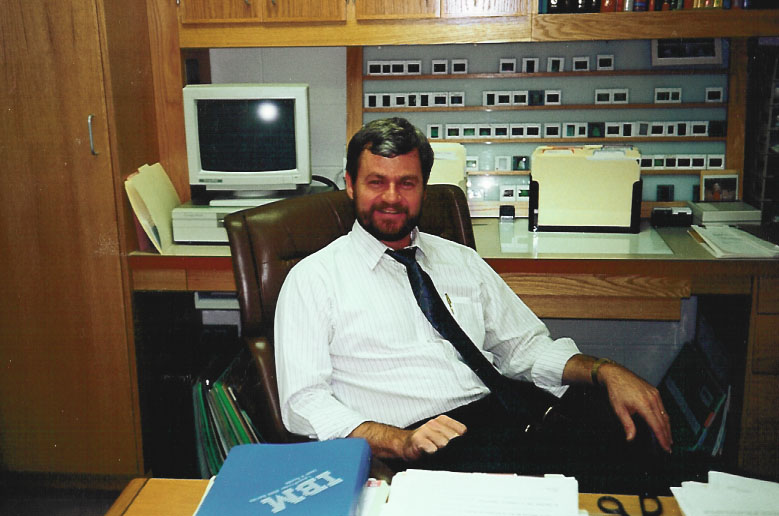 Buckley’s early days at Duke Ophthalmology.
 -
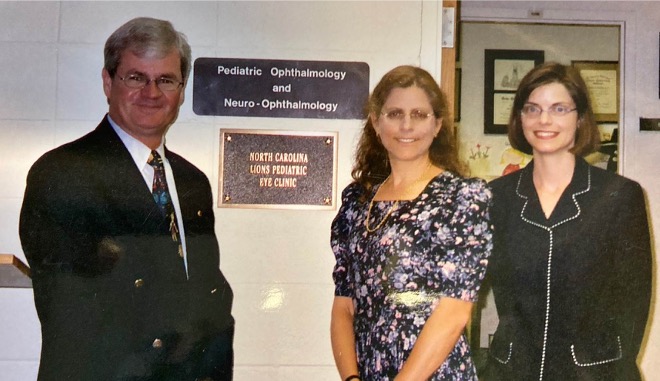 Opening of the dedicated pediatrics space with Laura Enyedi, MD, (right)who joined Buckley and Freedman to make a pediatrics team of three.
 -
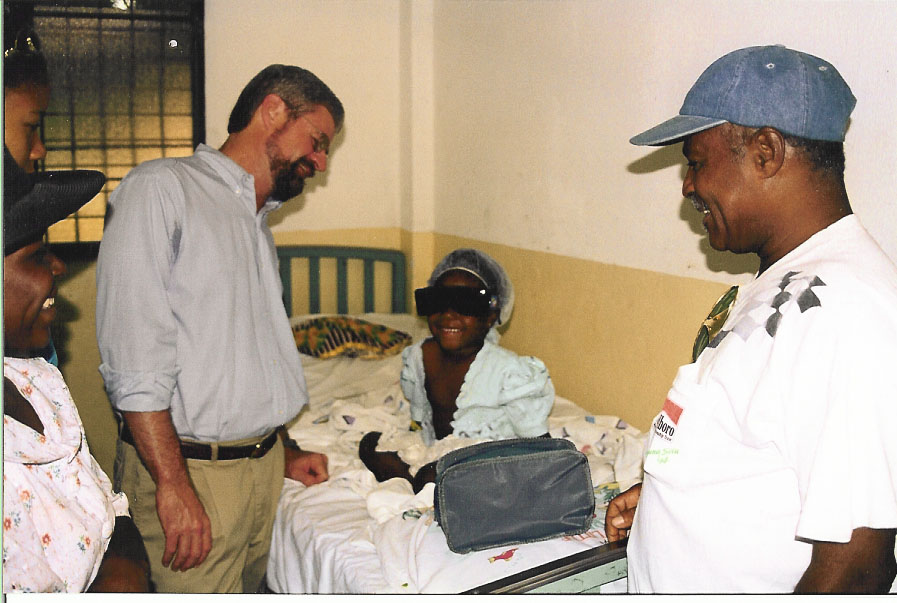 Buckley in Haiti in 2002.
 -
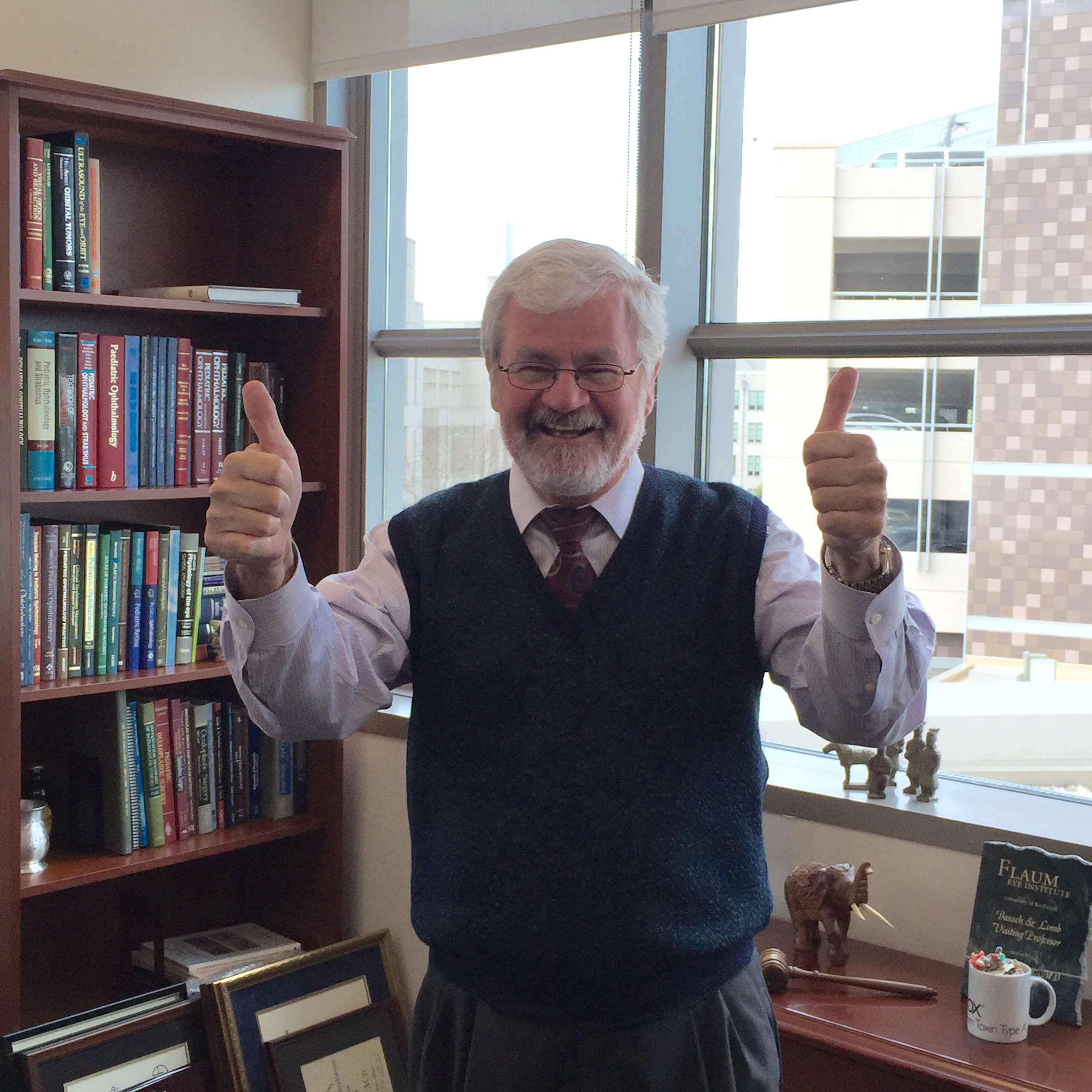 Buckley in his office.
 -
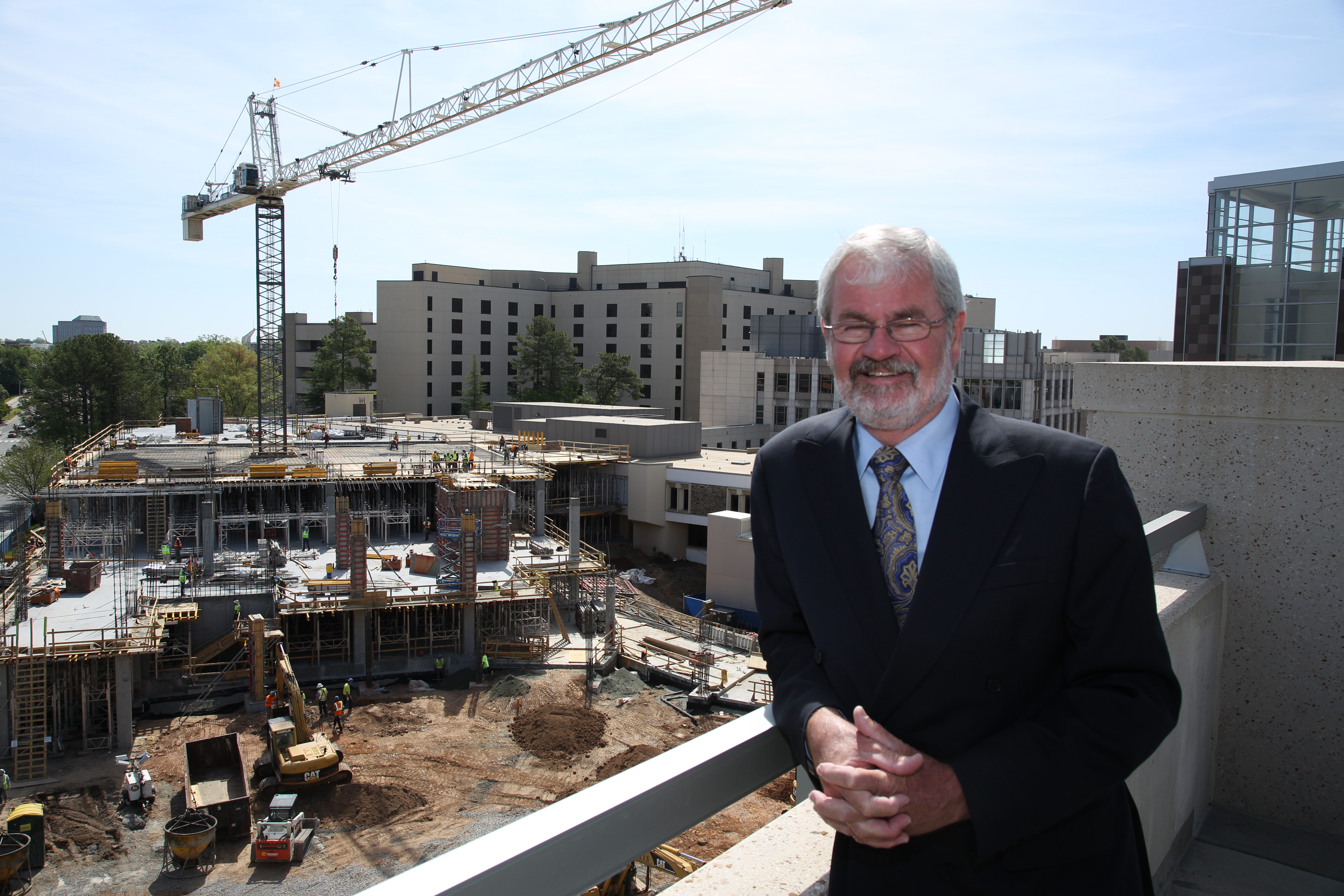
-
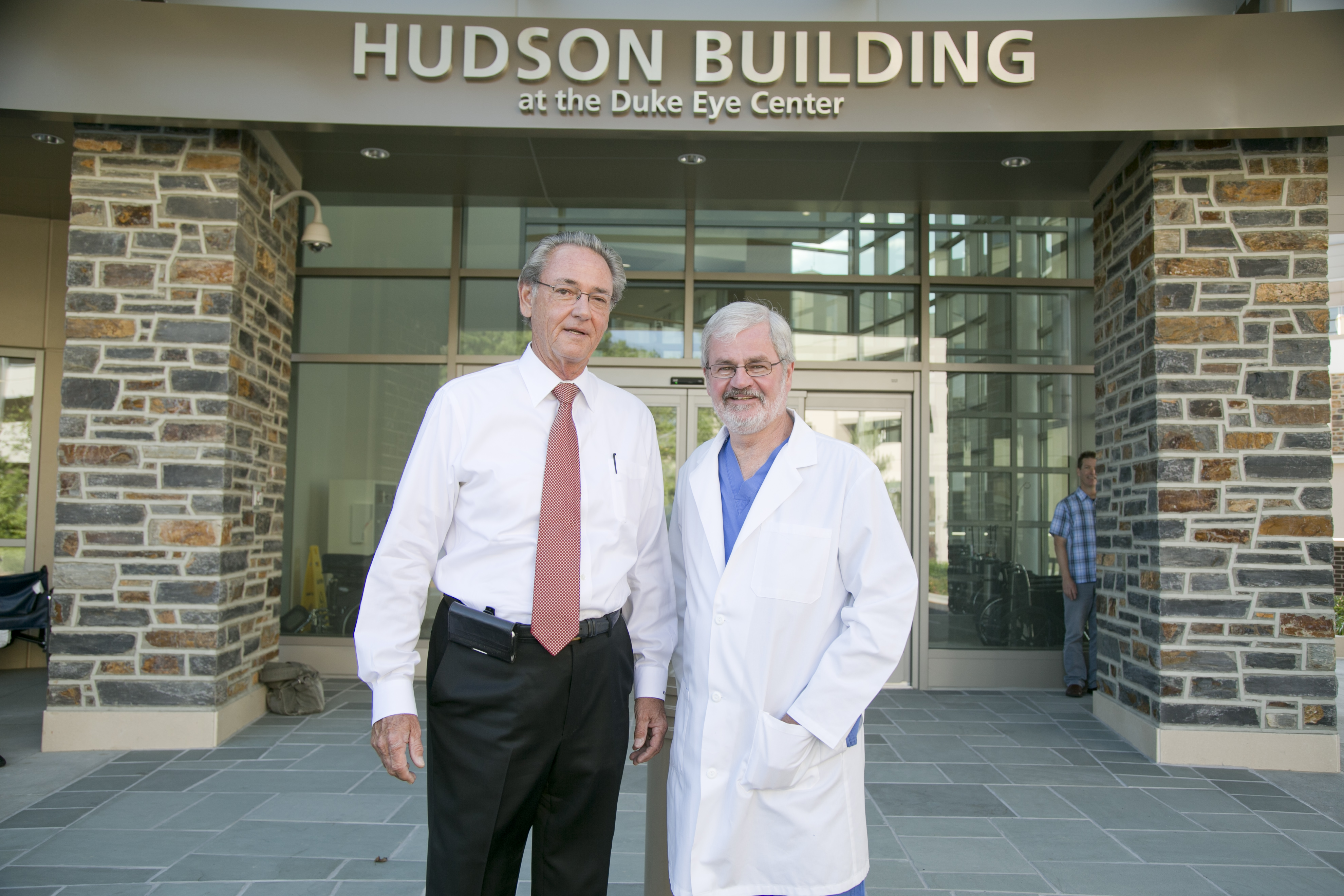 Opening day of the Hudson Building with benefactor Bill Hudson.
 -
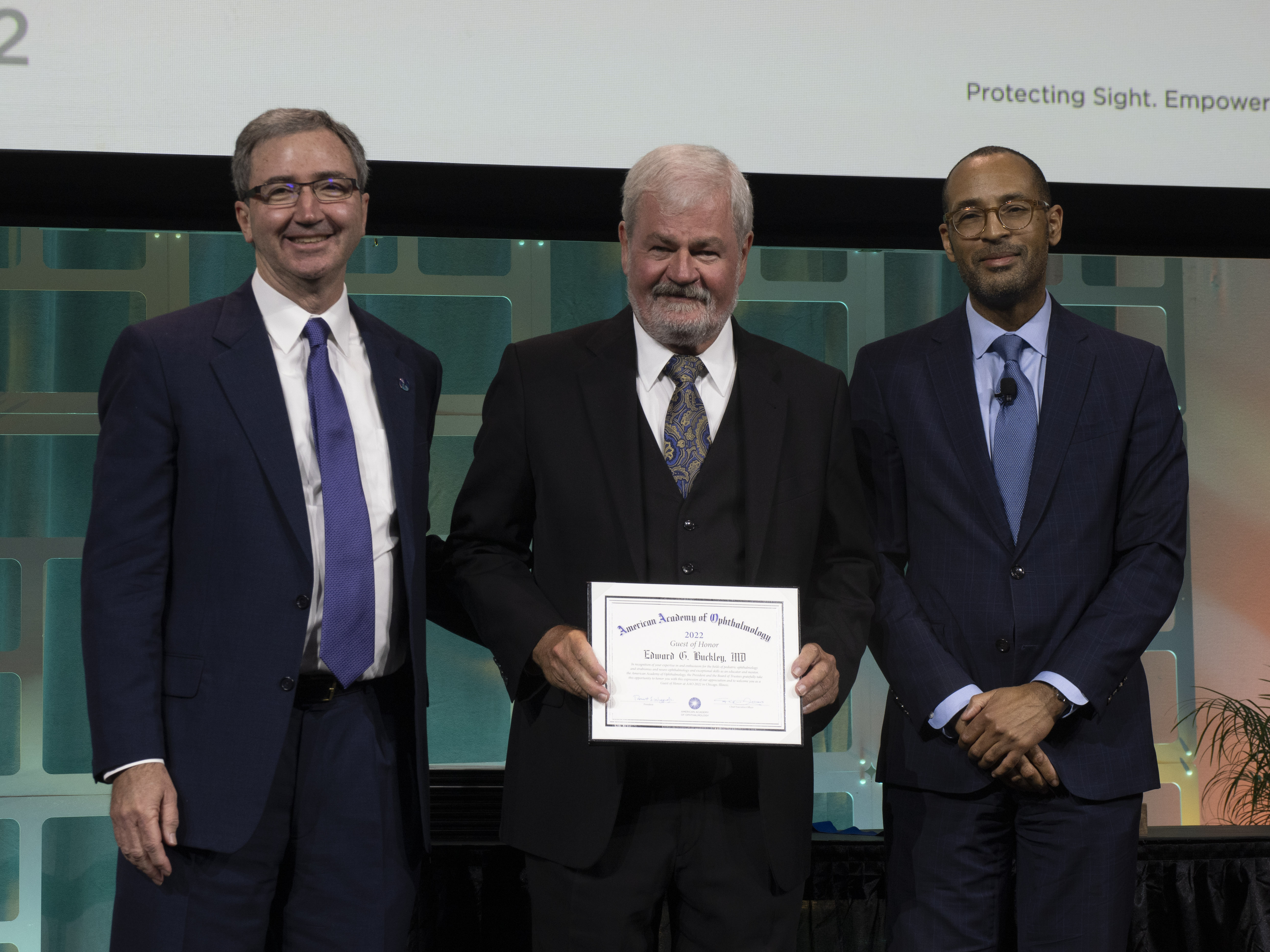 AAO guest of honor in 2023.