

Duke at Women in Ophthalmology Summer Symposium 2026
Duke Eye Center faculty and trainees shared their expertise at the 2026 Women in Ophthalmology (WIO) Summer Symposium, held August 20-23 in Monterey, California.

Sadda Shares Vision for Duke Eye Center in Ophthalmology Times
Incoming Duke Department of Ophthalmology Chair SriniVas R. Sadda, MD, FARVO, is featured in a recent Ophthalmology Times interview discussing his vision for leading Duke Ophthalmology into its next chapter ahead of his November 10, 2026, start date.

Shen Receives 2026 Ronald G. Michels Fellowship Foundation Award
Duke Eye Center vitreoretinal surgery fellow Linus Shen, MD, has been selected as one of four recipients of the 2026 Ronald G. Michels Fellowship Foundation Award, a prestigious national honor recognizing outstanding vitreoretinal surgery fellows.

Diane Whitaker, OD, Featured in WebMD Feature on Coping With Wet Age-Related Macular Degeneration
Diane B. Whitaker, OD, Chief of Vision Rehabilitation and Performance at Duke Health, was featured in a recent WebMD article focused on the emotional challenges of living with wet age-related macular degeneration (AMD) and the resources available to help patients maintain independence and quality of life.

Advancing Vision Worldwide: Research and Global Health Initiatives Featured at the 2026 Global Ophthalmology Summit
Duke Eye Center faculty and trainees served as speakers, moderators, and panelists at the 2026 Global Ophthalmology Summit in Philadelphia, an international meeting focused on advancing eye care worldwide through innovation, artificial intelligence, and technology. The summit's theme,"Innovation, AI, and Technology: Expanding Access to Healthcare Worldwide," brought together ophthalmologists, trainees, researchers, and global health leaders to explore new approaches for improving access to vision care in underserved communities.
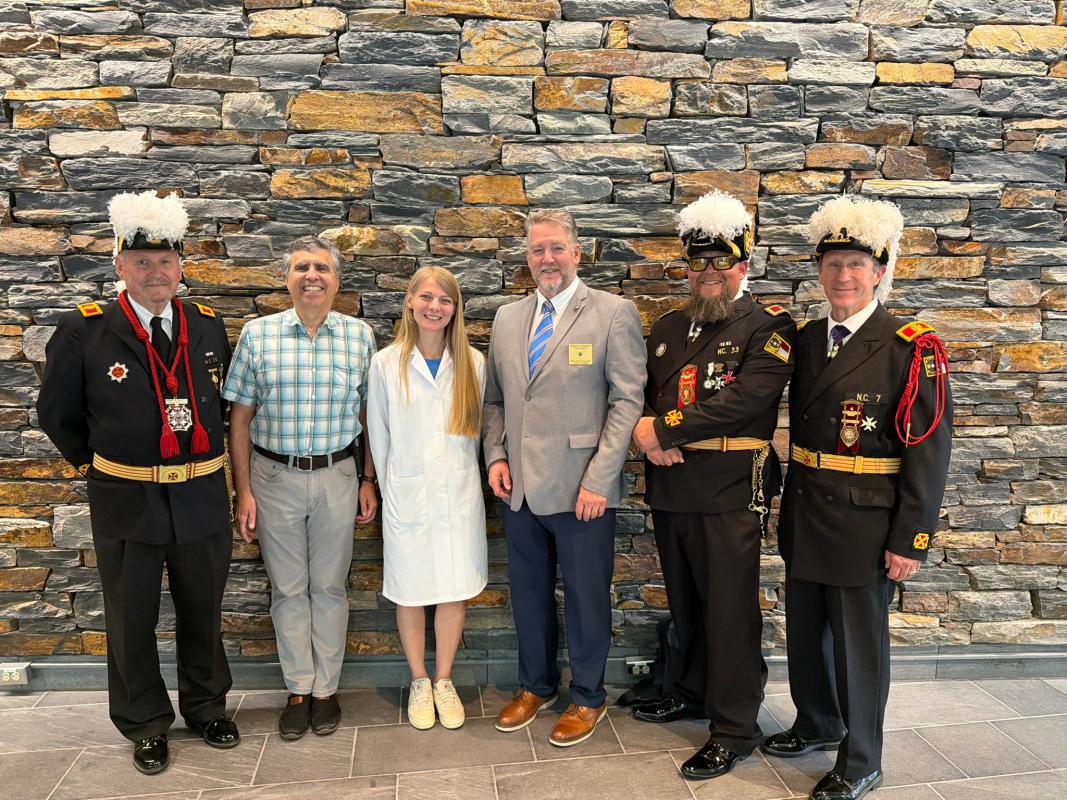
Klementeva Receives $100,000 Knights Templar Eye Foundation Career-Starter Research Grant
The 2026 Career-Starter Research Grant of $100,000 from the Knights Templar Eye Foundation has been awarded to Nataliia Klementeva, PhD, Senior Research Associate in the Arshavsky Laboratory at the Duke Eye Center. The grant will support her research project, “Elucidating the Pathophysiological Mechanism of Photoreceptor Degeneration in Bardet-Biedl Syndrome.”

Retina Today Highlights Duke fAVS Course
A recent Retina Today article highlighted the 2026 Duke Fellows Advanced Vitreous Surgery (fAVS) Course, a two-day educational program directed by Lejla Vajzovic, MD, with co-directors Dilraj Grewal, MD, Xi Chen, MD, PhD, and Durga S. Borkar, MD, MMCi. The course brought together expert faculty and retina fellows for lectures, case discussions, surgical video presentations, and hands-on wet lab training focused on the latest advances in vitreoretinal care and surgery.
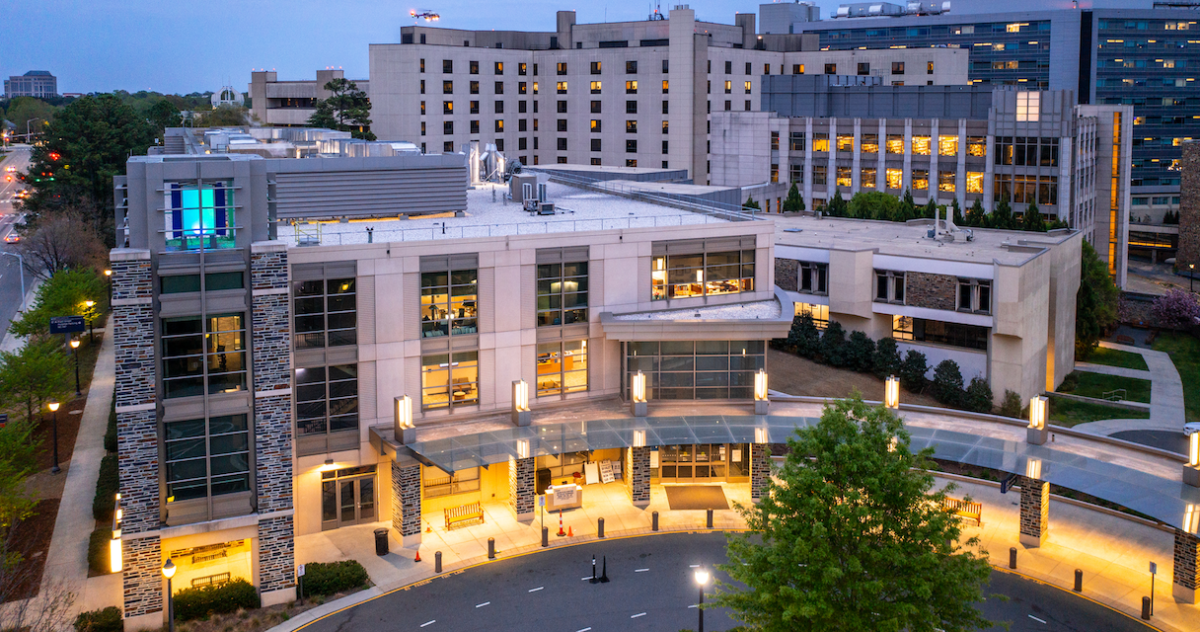
Duke Eye Center Earns #7 National Ranking for Ophthalmology
We’re proud to be ranked #7 in the nation for ophthalmology in the latest U.S.

Marti Dellinger, MHA, Appointed Ambulatory Operations Director
We are pleased to announce that Marti Dellinger, MHA, has accepted the position of Ambulatory Operations Director, effective September 1, 2026. Marti has served in the interim role since June 2025 while continuing her responsibilities as Division Administrator for the Comprehensive, Cornea, Glaucoma, and Oculofacial divisions. During this time, she has provided strong leadership and strategic direction for clinical operations across Duke Eye Center, making a significant impact on the organization.

Owete Receives NEI Travel Grant to Present Research at Global Ophthalmology Summit
Agnes Owete, MD, PGY-3 received a NEI Research Travel Grant Award to present "First Cornea Transplants in Sierra Leone: A Review of Outcomes and Impact," at the 2026 Global Ophthalmology Summit. In collaboration with Sheena Song, DO, Lloyd Williams, MD, PhD, and colleagues in Sierra Leone, the research highlights the successful partnership between Duke Global Ophthalmology and Connaught Hospital in establishing Sierra Leone's first corneal transplant program.