
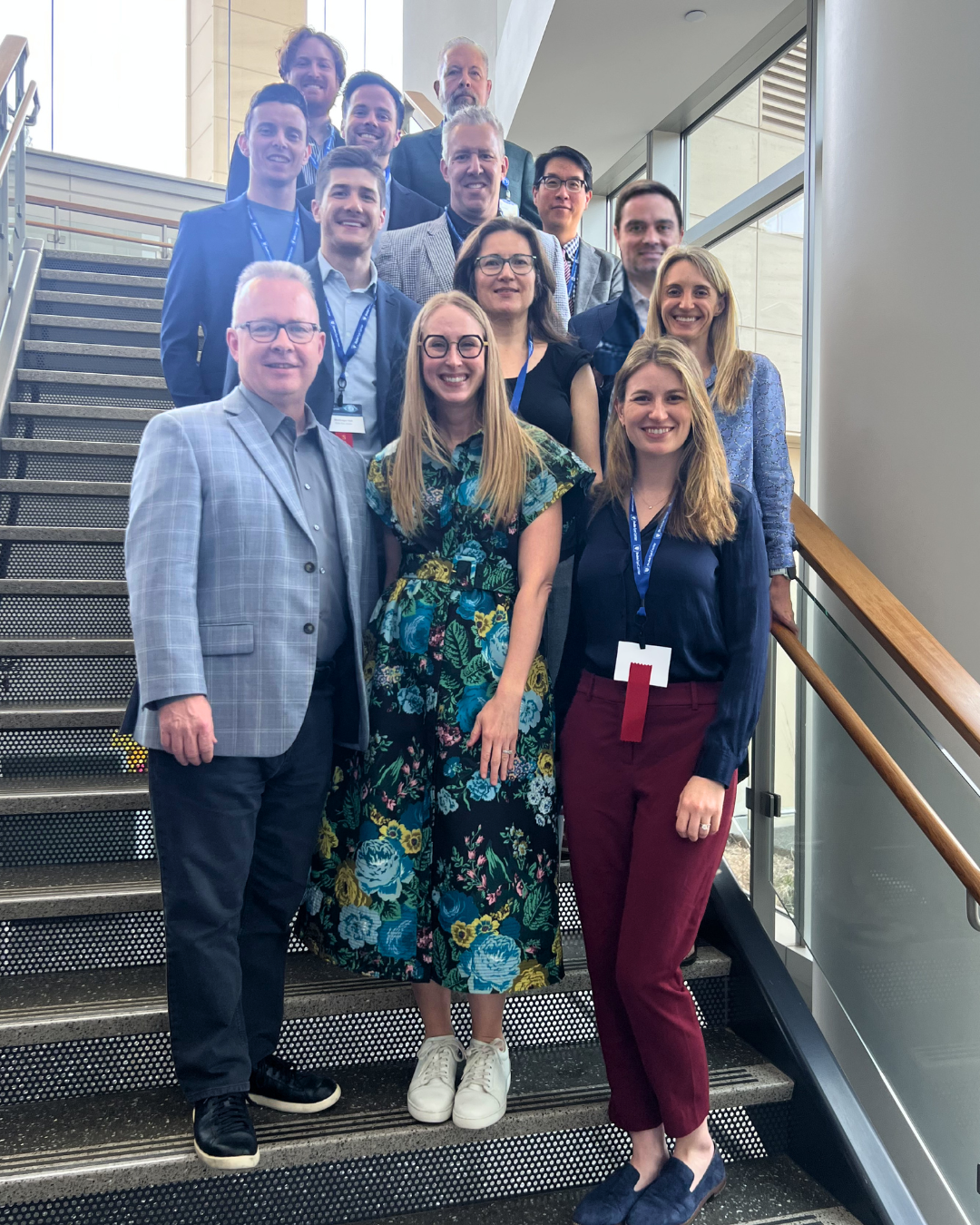
Duke Eye Center hosted the annual Duke Controversies in Cornea and Cataract Surgery Symposium on March 21, 2026, a full‑day educational meeting that brought together ophthalmologists, optometrists, and eye care professionals to explore current and emerging topics in anterior segment ophthalmology.
The symposium was co‑directed by Kourtney Houser, MD, and C. Ellis Wisely, MD, MBA, and featured Mitchell Weikert, MD, MS from Baylor College of Medicine, as the Terry Kim Guest Lecturer and keynote speaker. The program emphasized evidence‑based clinical decision‑making and addressed evolving controversies in cornea and cataract care.
Designed to share the latest clinical and research insights from Duke Eye Center faculty, the symposium focused on medical and surgical cornea as well as cataract evaluation and management, with an emphasis on translating evidence into clinical practice. Sessions were organized into four thematic blocks covering cornea and ocular surface disease, cataract and lens‑based surgery, and broader anterior segment topics.
Session 1: Cornea and Ocular Surface included presentations on dry eye and cataract surgery, advances in DSO 2.0, and updates in keratoconus management for 2026.
Session 2: Cataract and Lens‑Based Surgery featured the introduction of visiting professor Mitchell Weikert, MD, MS, followed by talks on IOL selection and biometry, cataract surgery in patients with corneal disease, and intraocular lens exchange.
During the Terry Kim Guest Lecture Keynote Address, Dr. Weikert presented “The Future of Corneal Refractive Surgery: What Does the Evidence Support?”, examining current evidence and future directions in the field.
Session 3: Anterior Segment and Beyond expanded the scope with updates on MIGS, retina considerations for comprehensive care, and eyelid and orbital conditions relevant to cornea and comprehensive ophthalmologists.
The meeting concluded with Session 4: Anterior Segment, featuring discussions on cataract evaluation, robotics in ophthalmology, and a panel discussion led by Duke Eye Center faculty.