
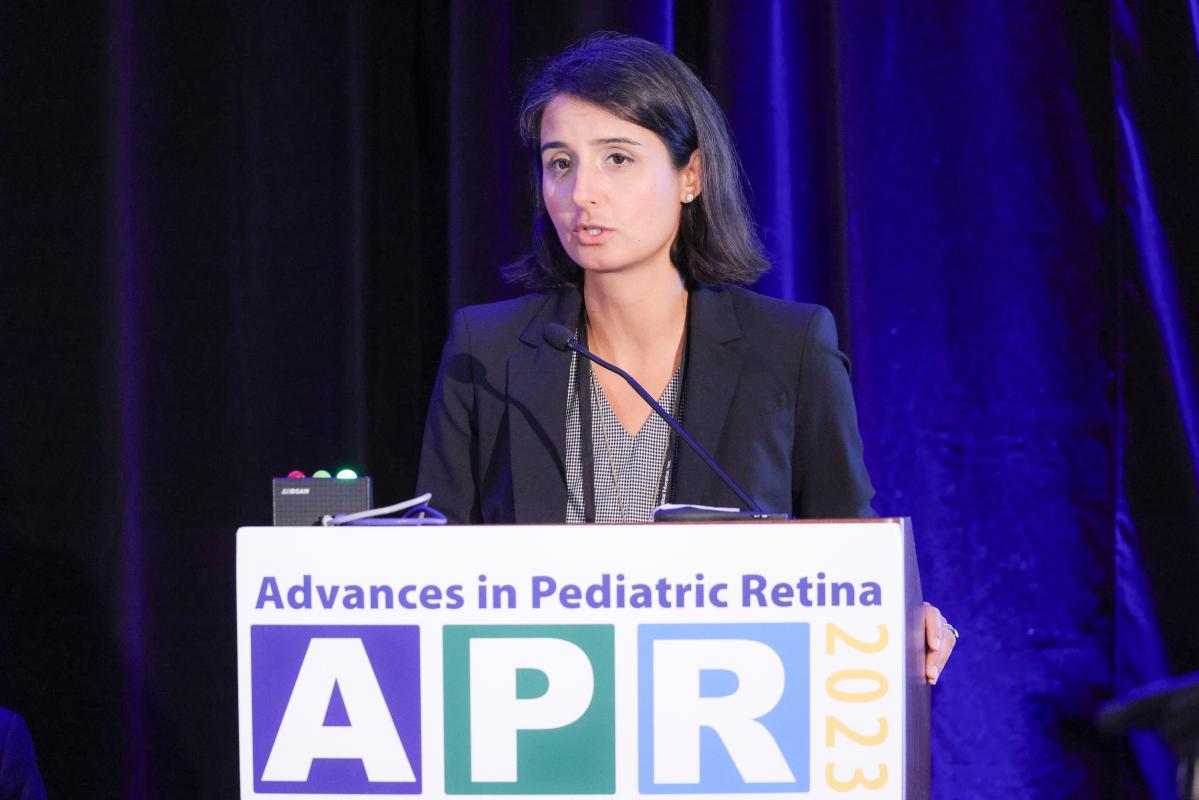
Advances in Pediatric Retina Course 2023
The 4th Annual Advances in Pediatric Retina (APR) Course was held September 7 - 9, 2023 in Santa Clara, CA. The course showcased advances in diagnosis and medical and surgical management of a wide spectrum of pediatric retinal diseases with renown faculty speakers from across the globe! Lejla Vajzovic, MD, FASRS is co-director and co-founder of the course, along with Cynthia Toth, MD.

Christopher Dermarkarian, MD Joins Duke
Duke Eye Center is excited to welcome Christopher Dermarkarian ,MD to the Oculofacial and Orbital Surgery Division!

Vajzovic Unlocks Geographic Atrophy in Ophthalmology Times Feature
“Unlocking Geographic Atrophy,” published as the cover story in the August issue of Ophthalmology Times features Lejla Vajzovic MD, FASRS sharing her expertise about recent advancements in geographic atrophy (GA) research, practical clinical information and biomarkers to identify each stage of age-related macular degeneration (AMD).
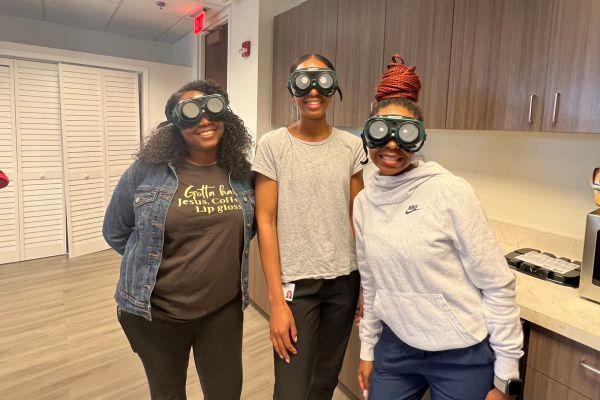
OTD Program Helps to Meet Growing Low Vision Needs
The Occupational Therapy Doctorate program is at the center of efforts to make low-vision rehabilitation resources more accessible for the growing number of people who need them.
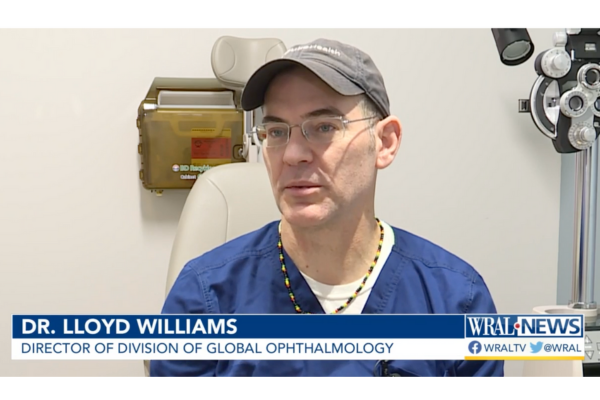
Lloyd Williams, MD, PhD featured on WRAL News
Lloyd Williams, MD, PhD, Directory of Global Ophthalmology is an inspiring doctor, volunteering his time to travel to Central America, Asia, Africa, and many other areas around the world to perform cataract surgeries and cornea transplants.

One-third of Glaucoma Patients Miss Regular Eye Appointments
A new study published in the August issue of Ophthalmology Epidemiologyreveals one-third of glaucoma patients stop seeing their eye doctor for regular check-ups over a 10-year period.

Duke at ASRS 2023
The annual meeting of the American Society of Retinal Specialists (ASRS) was held July 28 – August 1, 2023 in Seattle, Washington.

Maldonado Receives FBB Award to Advance Discoveries in Inherited Retinal Diseases in Children
Ramiro Maldonado, MD, Assistant Professor of Ophthalmology is the recipient of the Individual Investigator Award presented by the Foundation for Fighting Blindness.

Machine Learning Model Identifies Mild Cognitive Impairment from Retinal Scans
DURHAM, N.C. – A machine learning model developed by Duke Health researchers can differentiate normal cognition from mild cognitive impairment using retinal images from the eye.
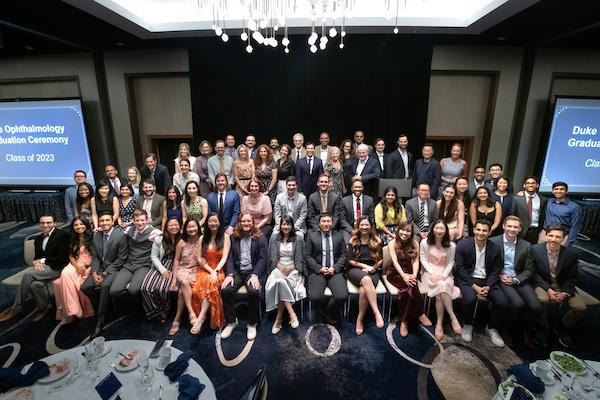
Congratulations to Duke Ophthalmology Class of 2023!
Duke Eye Center had the pleasure of celebrating our graduating residents, fellows, and optech students last week at the 2023 Trainee Graduation Banquet.